Table Of Content
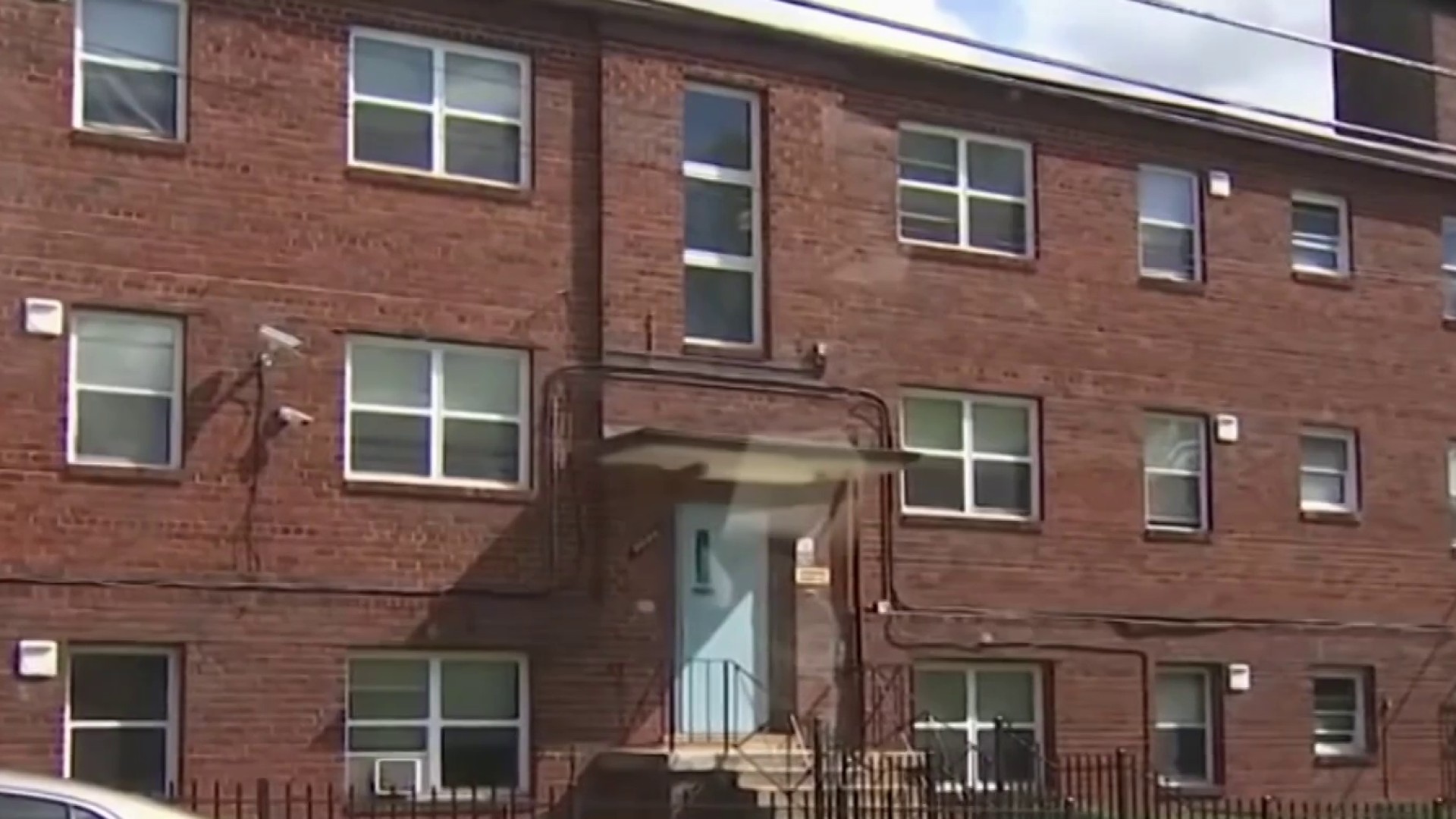
Whether we have unsupportive family members, animosity in the home that could be triggering, or others in the home who are actively using, it can set back the recovery process significantly. The cost of a halfway house can differ significantly depending on several factors. The location of the halfway house is an essential factor in that the living costs vary according to the region. Centers in higher-income or urban areas may be more expensive than those in rural or less populated areas. Residents can participate in various therapeutic activities during the day, such as individual or group therapy, life skills workshops, and educational sessions.
The Purpose of Halfway Houses
As well as serving as a residence, halfway houses provide social, medical, psychiatric, educational, and other similar services. They are termed "halfway houses" due to their being halfway between completely independent living and in-patient or carceral facilities, where residents are highly restricted in their behavior and freedoms. Halfway houses provide more freedom to residents than inpatient treatment programs. However, they still offer more structure and a larger support system than independent living. Sober living homes generally don’t have time limits, so residents can stay until they feel confident enough to move on. The typical length of stay depends on many factors, including the stability of a resident’s physical and mental health, their ability to support themselves, and the support available at home.
North Carolina man opens fourth halfway house in Belmont for struggling addicts to honor late wife - Fox News
North Carolina man opens fourth halfway house in Belmont for struggling addicts to honor late wife.
Posted: Mon, 19 Sep 2022 07:00:00 GMT [source]
Other Treatment Options for Addiction
After criticism, Colo. DOC rescinds no-warrant policy for halfway house escapees - CorrectionsOne
After criticism, Colo. DOC rescinds no-warrant policy for halfway house escapees.
Posted: Sun, 10 Jul 2022 07:00:00 GMT [source]
As a result, many prisoners were released back into society without any support or resources to help them reintegrate. The concept of the halfway house is predicated upon the ideals of humanitarianism, rehabilitation, and reintegration. More often referred to as “residential treatment centers” in contemporary criminal justice and social services systems, halfway houses have been inextricably linked to the dominant punishment philosophy of their eras.

Differences Between Halfway Houses And Sober Living Homes
Stays in halfway houses are often court-mandated, so one should expect a regimented schedule that encourages residents to seek employment and get back on their feet. You can expect staff to be on-site and to enforce house rules, such as curfews and regular drug testing. These steps help maintain a drug-free and more structured environment to keep yourself accountable once you move on. Design for Recovery provides structured sober living in Los Angeles, California. Halfway houses are transitional living spaces for sober individuals who have either completed an addiction treatment program or finished serving time in prison. Sober living houses, or recovery homes, are somewhat different from halfway houses.

Although many halfway houses offer resources for addiction recovery, not all serve that purpose. The term can also refer to a transitional home between incarceration and freedom, regardless of the residents’ drug abuse history. While inpatient rehab facilities offer round-the-care support and treatment, both sober living homes and halfway houses allow for more independent living. There is variation in the level of structure, professional support, and amenities offered in each type of facility.
What is the Professional Term for Halfway House?
It’s past time to start implementing oversight measures and extensive reforms that keep residents safe and help the halfway house experience feel more like reentry – and less like an extension of the carceral experience. For the most part, people go to halfway houses because it is a mandatory condition of their release from prison. Some people may also go to halfway houses without it being required, simply because the facility provides housing. Placement in Residential Reentry Centers (RRCs) post-incarceration can technically be declined by people slated for release, but doing so would require staying in prison instead. Many halfway houses have staff available around the clock to provide support and monitoring for the residents. Staff may include professionals trained in addiction counseling or security personnel that ensures residents are complying with the rules and regulations of the home.
We will explore the history of halfway houses, their work, and the benefits they provide to residents. Additionally, we will discuss the types of individuals who may benefit from residing in a sober home and what to look for when choosing a sober living house. By the end of this article, readers will have a clear understanding of the important role that sober living home plays in supporting and rehabilitating needy individuals and early recovery. Halfway houses are typically open to people who have completed a drug or alcohol rehab program and want to transition to independent living. However, facilities may set specific admission requirements for prospective residents.
Halfway House Rules and Guidelines
In the early 1960s, the mentally ill became residents as the state hospitals were deinstitutionalized by the federal government. During that turbulent decade, when virtually every governmental institution and traditional practice in America was being challenged, corrections turned to the philosophy of reintegration. One of the premises of this theory was that society in general, as well as its communities and individual members, participates in the creation of economic, social, and cultural situations that engender criminal behavior. Consequently, according to the theory, amelioration of crime and recidivism requires that the individual, neighborhood, community, and all of society be responsible for and involved in the reintegration of offenders. In some instances, rehab facilities may refer a patient to a halfway house following treatment.
The clinical director of the California facility, responsible for resident health, did not possess a medical degree, or even a college degree. Whether or not a sober living facility needs to be licensed depends on the specific locale. In some states, halfway houses are required to be licensed by the Department of Health or the Department of Human Services. Halfway houses have strict rules, such as requirements that residents abide by curfew hours, participate in counseling sessions, and stay sober.
It allows you to live your life to the fullest, experience all of life’s adventures, make the most out of relationships, and be present in the moment. It doesn’t come without its challenges, however, and it’s beneficial to be around people who can support you on this journey. Sober living homes vary in cost from inexpensive ($100-$300/month) to expensive (over $2,000/month), but many are in the range of $400 to $800 per month depending on where you live. You should expect to spend around the same amount of money you’d spend on rent for a modest apartment. Design For Recovery is committed to helping you or your loved one live a fulfilling life free from alcohol and drug addiction. Firstly, for the Empowerment house, the individual must be a woman with a child or children.
They serve as a stepping stone for people who are past inpatient treatment but still need other treatment programs for recovery. In general, sober living houses tend to offer more privacy and comfort than halfway houses. A halfway house, also known as a sober living home or transitional living facility, serves as a bridge between an inpatient facility and the real world. For many who have been through drug or alcohol rehabilitation, making an immediate transition to daily life can be overwhelming. Halfway houses provide a supportive community and structured environment to ease this transition.
It offers a safe and supportive place where they can continue their recovery from addiction to drugs or alcohol after leaving inpatient treatment programs, federal prison, or the streets as a homeless person. In some cases, the court mandates an individual to stay in a halfway house. A halfway houses provide the aid services and resources they need to overcome drug or alcohol addiction or other obstacles that may prevent them from living a successful life. These homes are designed to be a stepping stone between a treatment center or institution and fully integrating into society. By providing residents with a structured, supportive environment and educational programs, halfway houses aim to give individuals the tools they need to remain sober and achieve long-term recovery and success. A halfway house, also known as transitional housing, is a facility that provides a supportive environment for people recovering from addiction or mental health conditions.




No comments:
Post a Comment